– By Donna Cohen, EcoJudaism Community Sustainability Lead

EcoShabbat was celebrated in a variety of different and inspiring ways by EcoJudaism communities:
Barnet United Synagogue – Souper EcoShabbat
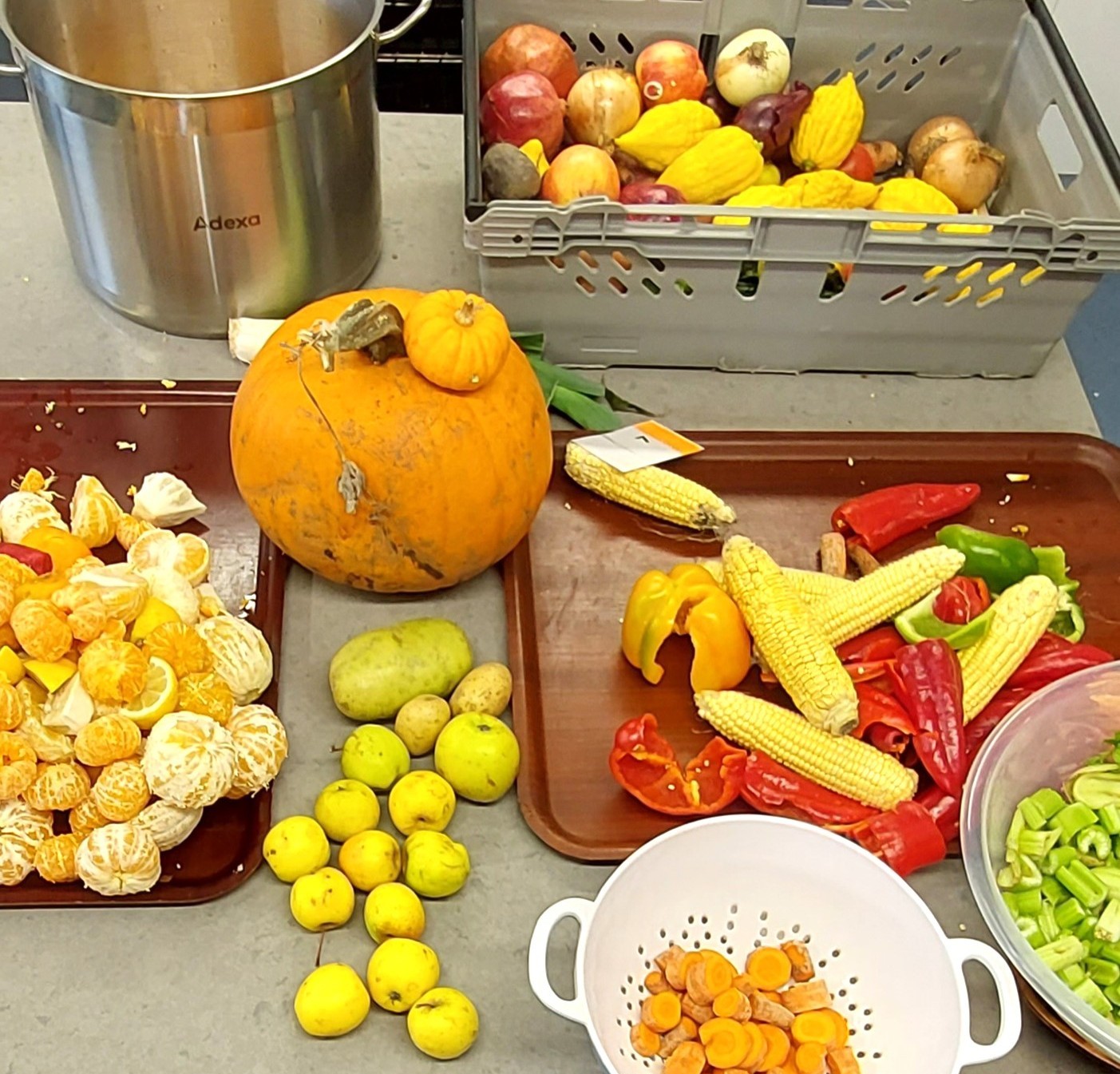
This is my own shul where I am Eco Lead. I introduced the event by giving a short presentation on our current work at EcoJudaism, which was followed by a sermon from our guest Rabbi, Rabbi Laitner, on “Sustainability – What’s New? It’s all in the Torah!” focusing on sustainability going hand-in-hand with social responsibility. After the service, the community was treated to a choice of 3 hearty hot soups which were made from the vegetables donated from members’ succahs after succot. The message of Souper EcoShabbat was to care for the planet by being thoughtful before throwing usable food away.
Oxford Jewish Congregation – Choose Life
Various members of the OJC included the Choose Life theme in their EcoShabbat presentations. A very interesting and poignant angle explored from the Parashah was that trees were found in Sarah’s burial place. The community had also hoped to combine EcoShabbat with a large-scale tree-planting event on Mitzvah Day, although unfortunately this had to be postponed due to adverse weather conditions. So the saplings are heeled in to plant in the new year and the EcoTeam is delighted that they have found new contacts in other groups in Oxford which are keen to collaborate in this event.
Southport & District Reform Synagogue – Tikkun Olam
Southport & District focused on two study passages from the Reform Judaism Siddur on the Natural Environment written by Maimonides and the other by Rabbi Charles Middleborough of Leo Baeck College. Eco Lead Susan Fox delivered a D’Var Torah as an ecological parable on Parashah Noach. Meaningful prayers on conservation and protection of the Natural Environment, including Aleinu were read by their Bat Mitzvah student. The EcoShabbat message to the community conveyed to the community was that as we approach the festival of Tu B’Shevat in February, we should consider our obligations to honour and protect God’s creation of the natural environment and all it contains through the concept of Tikkun OIam (Repairing the World) which is deeply rooted in Hebrew tradition. Through the way it is celebrated by Jewish communities worldwide, it is thought to have a direct contribution in the battle against climate change. As custodians of the planet, we have a primary responsibility to care for it, both nationally and internationally. Two ways this can be done are firstly, through charitable means by donating to ecological and environmental organisations that engage in tree planting both at home and abroad and secondly by planting bulbs, hardy, perennial and pollinating shrubs as well as trees in whatever land is available in the curtilage of a synagogue building.
Golders Green United Synagogue– Choose Life, Choose Chocolate
This is Naomi’s shul where she led a “Choose Life – Choose Chocolate” workshop in the children’s services. It was a delightful journey through the lifecycle of chocolate and the decisions to “choose life” along the way…with a delicious tasting at the end!
Neve Shalom Leicester Progressive Synagogue – Six Inches of Soil Screening
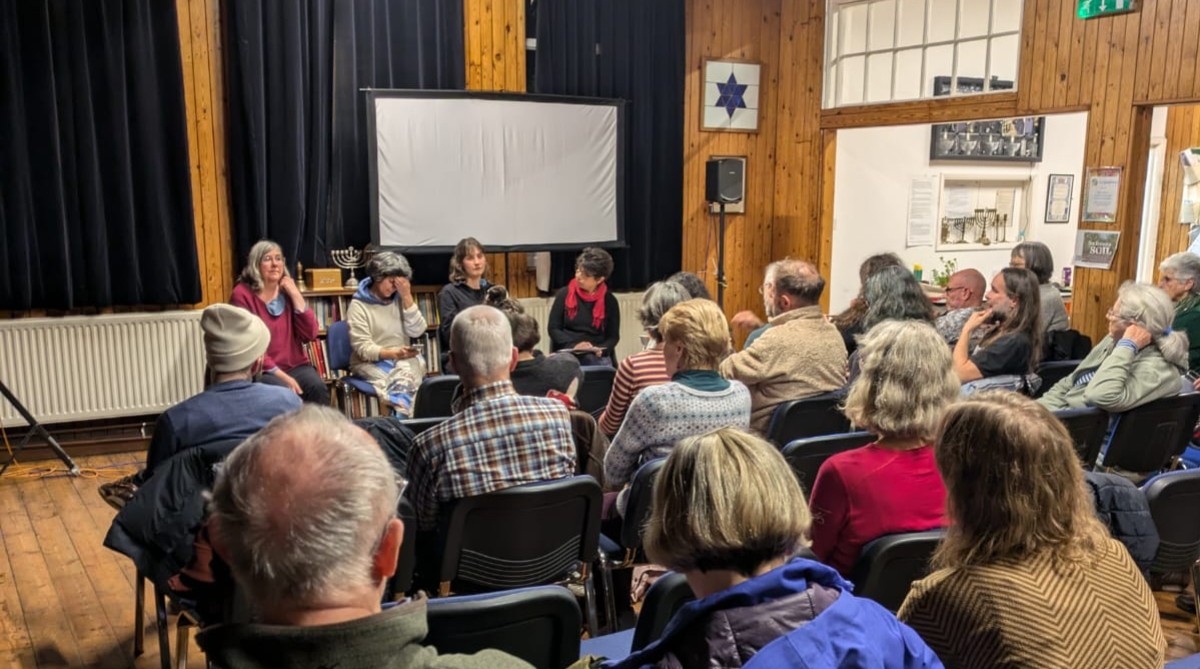
Whilst storm Bert raged outside, Leicester Progressive was packed with people from local communities absorbed in the inspiring story of 3 young British farmers’ regenerative journey. Lucy Michaels, from Neve Shalom, who introduced the film, spent 4 years helping produce it.
They learned that soil is the most valuable resource on the planet. Six inches of soil feeds 8 billion people and captures carbon. Whilst industrial farming methods are degrading the soil, regenerative agriculture is producing food by farming in harmony with nature. Farmers can change the world.
The community heard from a brilliant panel of speakers: Hannah, one of the growers at Community Harvest Whetstone, (CHW) a Community Supported Agriculture Scheme Co-operative based at a farm near Blaby, in South Leicestershire, Samantha Woods, a Leicester-based permaculture educator and designer and Aasiya Bora, a local environmental activist and secretary of Muslim Greens. Questions were raised from the audience including interested members of the Leicester community, allotment growers, food activists and vegan advocates about the class and cultural barriers to accessing affordable organic food, acquiring an allotment, the lack of opportunities for school children to learn and the ethics of farming animals at all.